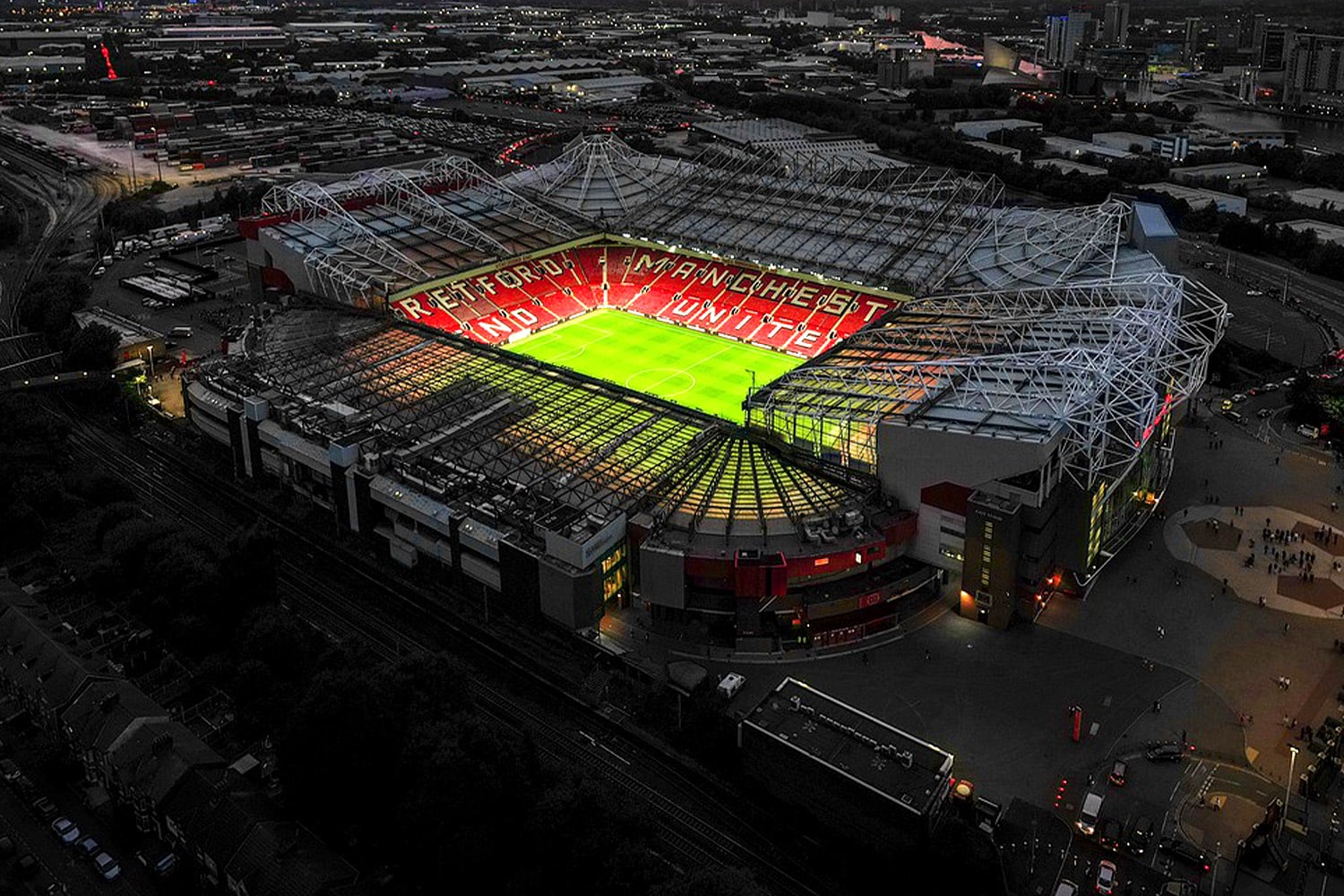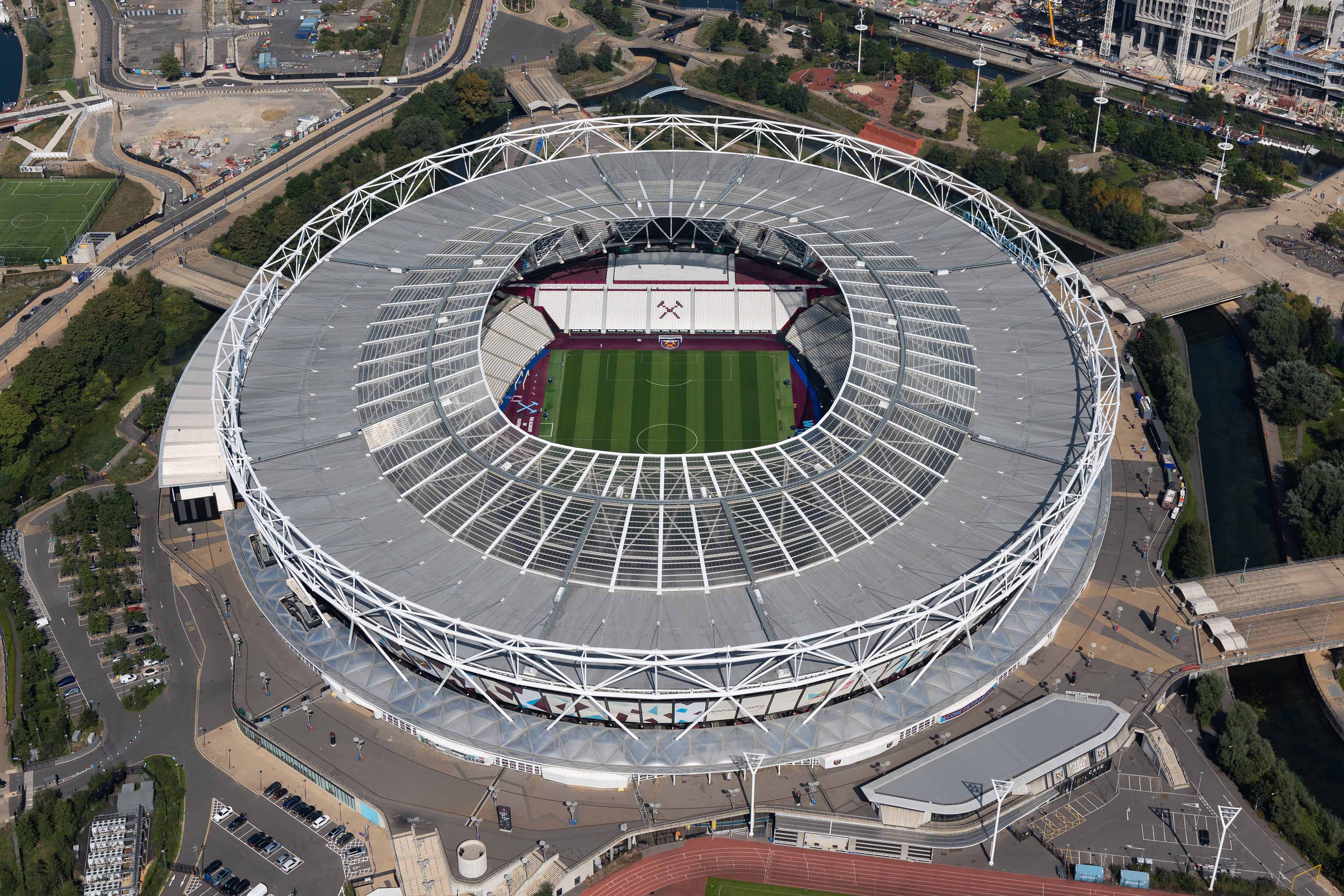

Wembley is England's national stadium and one of the most recognisable landmarks in world sport thanks to its 133-metre arch, visible from across London. Seating 90,000, it is Europe's second-largest venue and permanent home of the FA Cup final, England internationals, top Premier League showpieces, NFL games and huge concerts.
History and architecture
The original 1923 Wembley — the one with the Twin Towers — was demolished in 2003. The new stadium opened in 2007, designed by Foster + Partners and Populous. Its parabolic arch supporting the north roof is the world's longest unsupported span and works as the venue's visual signature. It is owned by the Football Association and has a partially retractable roof over the seating tiers.
Iconic moments
The original Wembley saw England win the 1966 World Cup with Geoff Hurst's hat-trick. The new stadium has hosted the 2011 and 2013 Champions League finals, Euro 2020's Italy vs England final, every year's FA Cup and Carabao Cup finals, NFL regular-season games and historic concerts from Live Aid to Adele and Taylor Swift.
Getting there and matchday tips
Easiest access is Wembley Park (Metropolitan and Jubilee lines) or Wembley Stadium (National Rail, Chiltern line). Both drop you at the start of Olympic Way, the pedestrian avenue to the ground. Arrive 60–90 minutes early: pre-Olympic Way checks can queue. Avoid driving — parking is scarce and streets close for major events.
Where to sit and what to eat
Level 1 lateral (100 blocks) offers the closest view. Level 2 is Club Wembley with lounge access and catering. Level 5, the upper tier, has the best panoramic sightlines at accessible prices. Concourse food covers classic pies, fish & chips, burgers and beer; hospitality packages add chef menus and open bar.