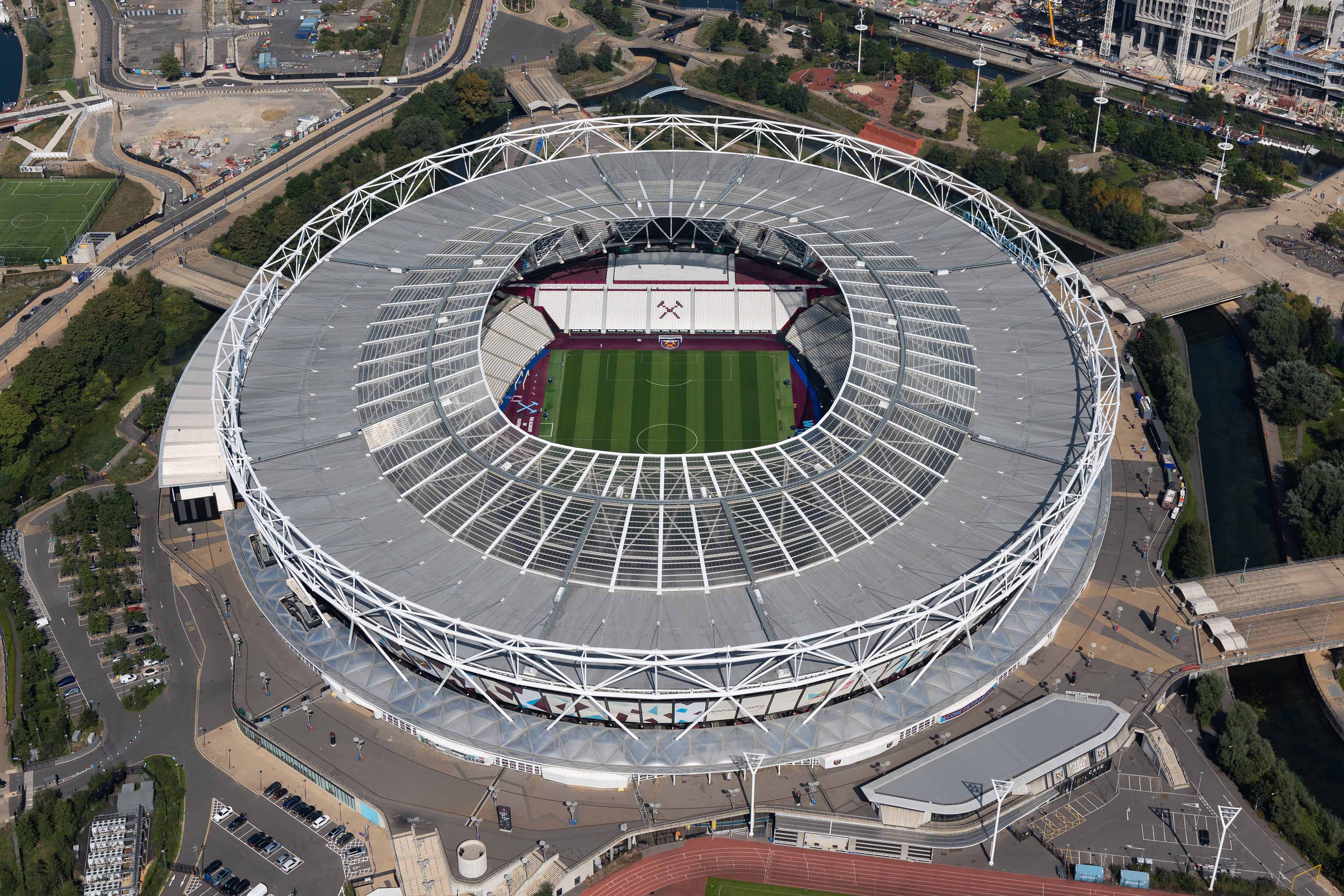

Old Trafford is Manchester United's mythical "Theatre of Dreams" and the largest club stadium in England, seating 74,310. Opened in 1910, it has witnessed the Busby Babes, the Ferguson era and the best moments of modern English football. It is currently facing renovation-or-replacement plans driven by the new INEOS ownership group.
History and architecture
Designed by Scottish architect Archibald Leitch, it opened on 19 February 1910. It was bombed during World War II and rebuilt in 1949. Major expansions came in the 90s (three-tier North Stand, the Premier League's tallest) and in 2006 (Sir Alex Ferguson Stand). It shows its age but remains one of world football's most symbolically loaded venues.
Iconic moments
Old Trafford saw the birth of the Busby Babes, the resurrection after Munich 1958, goals from Best, Charlton and Law, and Sir Alex Ferguson's golden era with 13 Premier League titles. It has hosted 1966 World Cup games, the 2003 Champions League final, Euro 96 matches and England internationals — plus historic concerts by Bon Jovi and Bruce Springsteen.
Getting there and matchday tips
Easiest access is Metrolink tram, Old Trafford stop (Altrincham/Etihad Campus line). Trains also run from Manchester Piccadilly to Manchester United FC station, active only on matchdays. Arrive 60 minutes early; Sir Matt Busby Way pubs concentrate the pre-match. If driving, MediaCity and Old Trafford Cricket Ground offer overflow parking.
Where to sit and what to eat
Stretford End (South Stand) is the heart of the red ultra atmosphere. East Stand offers a good lateral view at accessible prices. Sir Alex Ferguson Stand and hospitality suites include premium pre- and post-match catering. Concourse food covers classic pies (meat & potato, chicken balti), fish & chips and English ale.