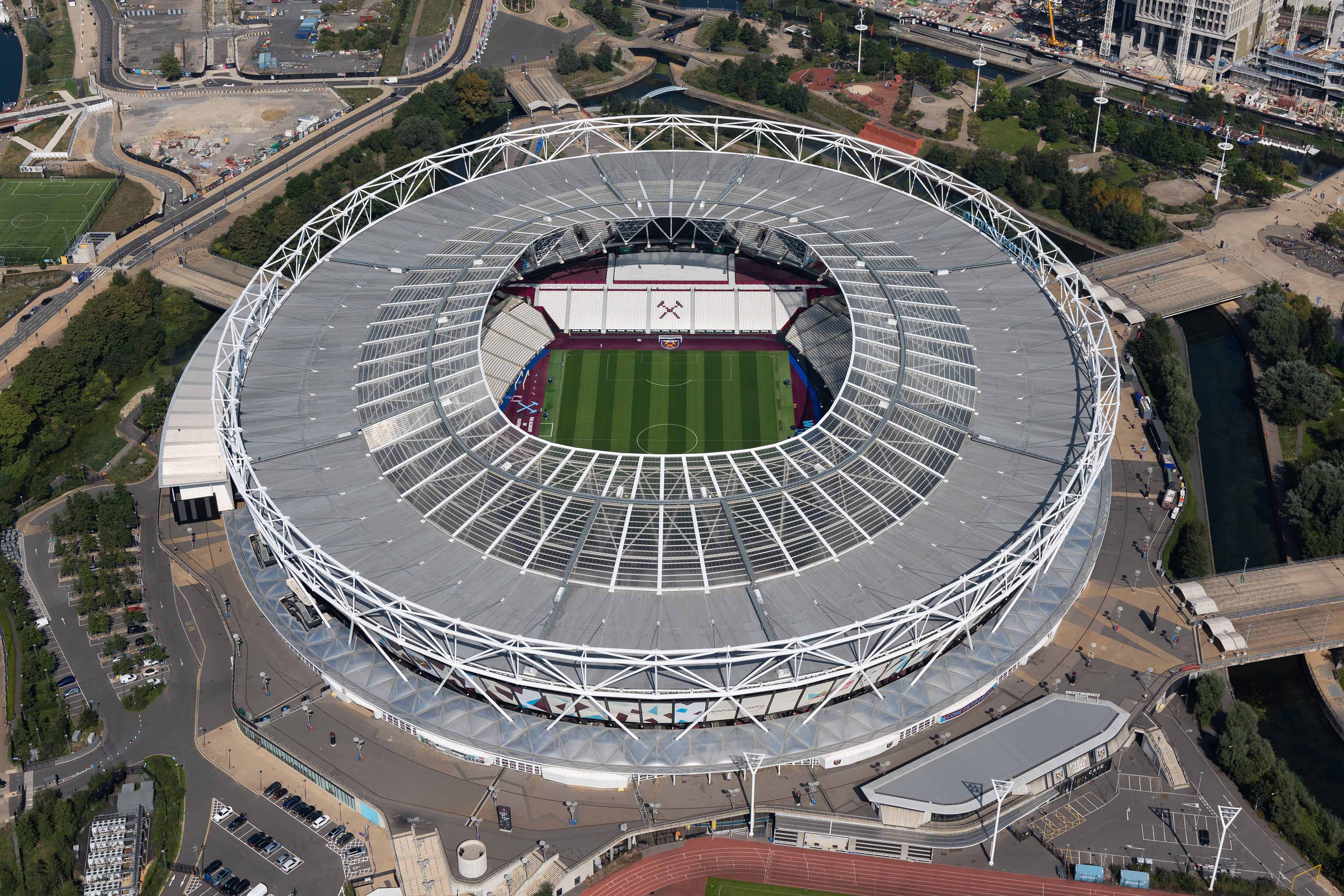

The Etihad Stadium is Manchester City's home since 2003, when the club moved from Maine Road. With 53,400 seats and an expansion under way that will push it beyond 60,000, it is the epicentre of City's golden era and a must-visit for any football trip to northern England.
History and architecture
Designed by Arup Sport for the 2002 Commonwealth Games with an initial capacity of 38,000, it was converted after the Games by adding the lower tier and expanded laterally in 2015 with the North Stand. City Football Group is now developing the definitive North Stand with hotel, museum and hospitality zone, raising capacity above 60,000. Naming rights are held by Etihad Airways.
Iconic moments
This is where City's seven Premier League titles from 2012 onwards were sealed, including the Agüero 93:20 comeback — decided at QPR but celebrated at the Etihad after clinching the title. It has seen Guardiola's dominant era, record points totals, the 2023 treble (Premier + FA Cup + Champions League) and historic European nights. It has also hosted concerts by Oasis, Muse and Coldplay.
Getting there and matchday tips
Easiest access is Metrolink tram, Etihad Campus stop, connecting to Manchester Piccadilly in 15 minutes. The Ashton-under-Lyne line from Manchester Victoria also serves it. Avoid driving on matchdays: official parking fills quickly. Arrive 60 minutes early; Beswick pubs and City Square food trucks concentrate the pre-match.
Where to sit and what to eat
South Stand is the new home of City's loudest chants. Colin Bell Stand (West) and East Stand offer lateral views. Tunnel Club and 1894 Club are the premium hospitality options with pitch-tunnel views and chef-signed catering. Concourse: classic pies, burgers, fish & chips and Cricket St Thomas on draught.