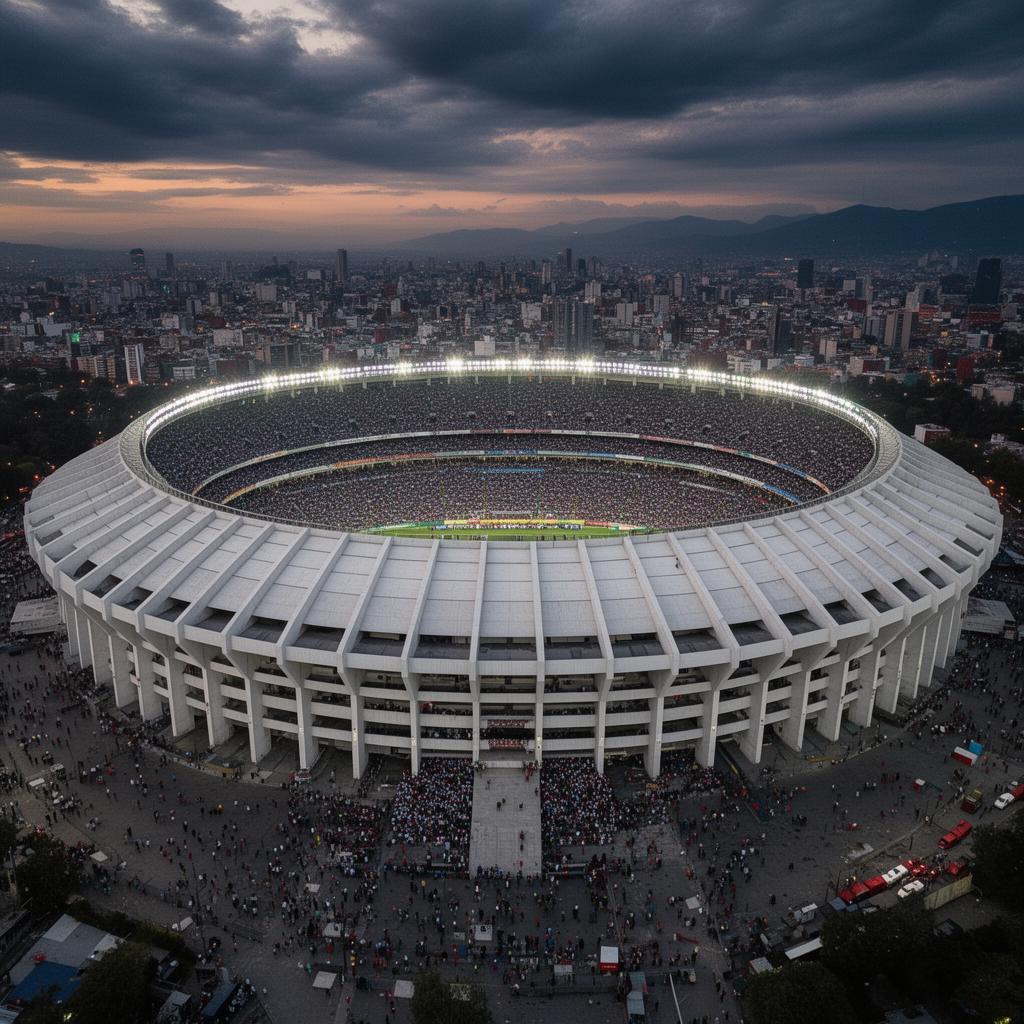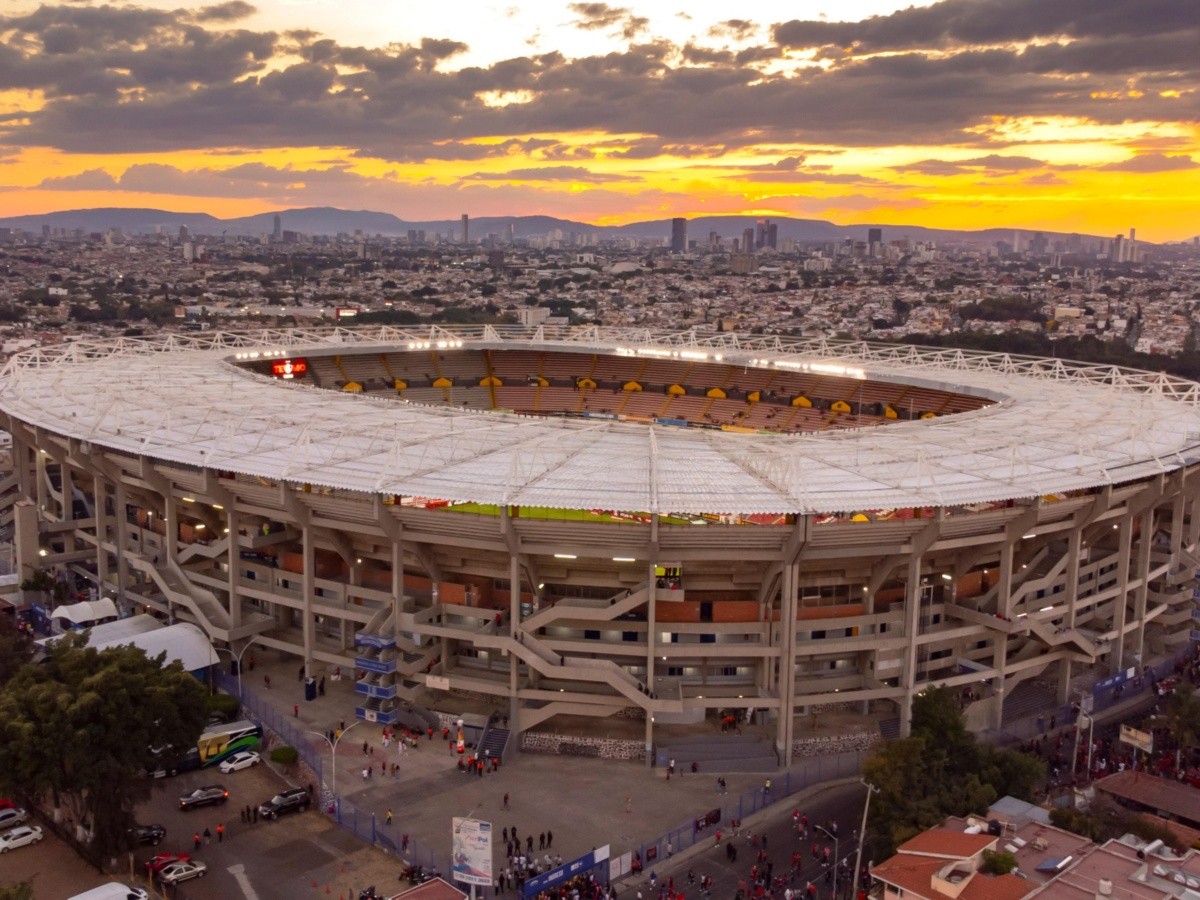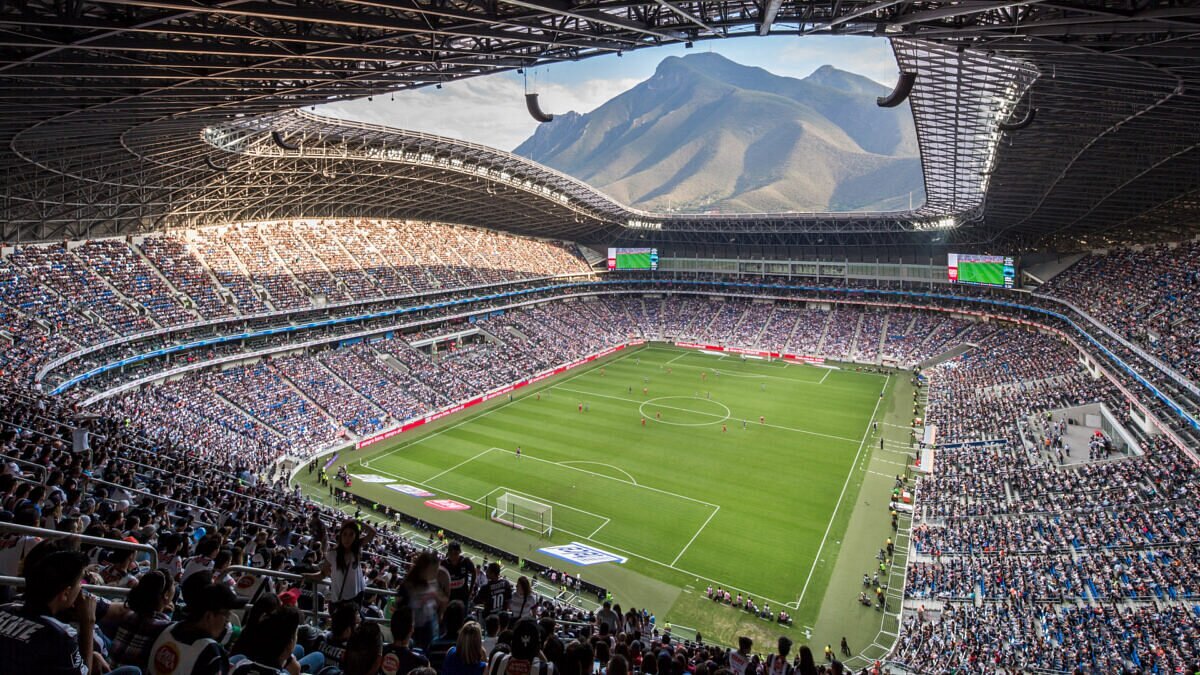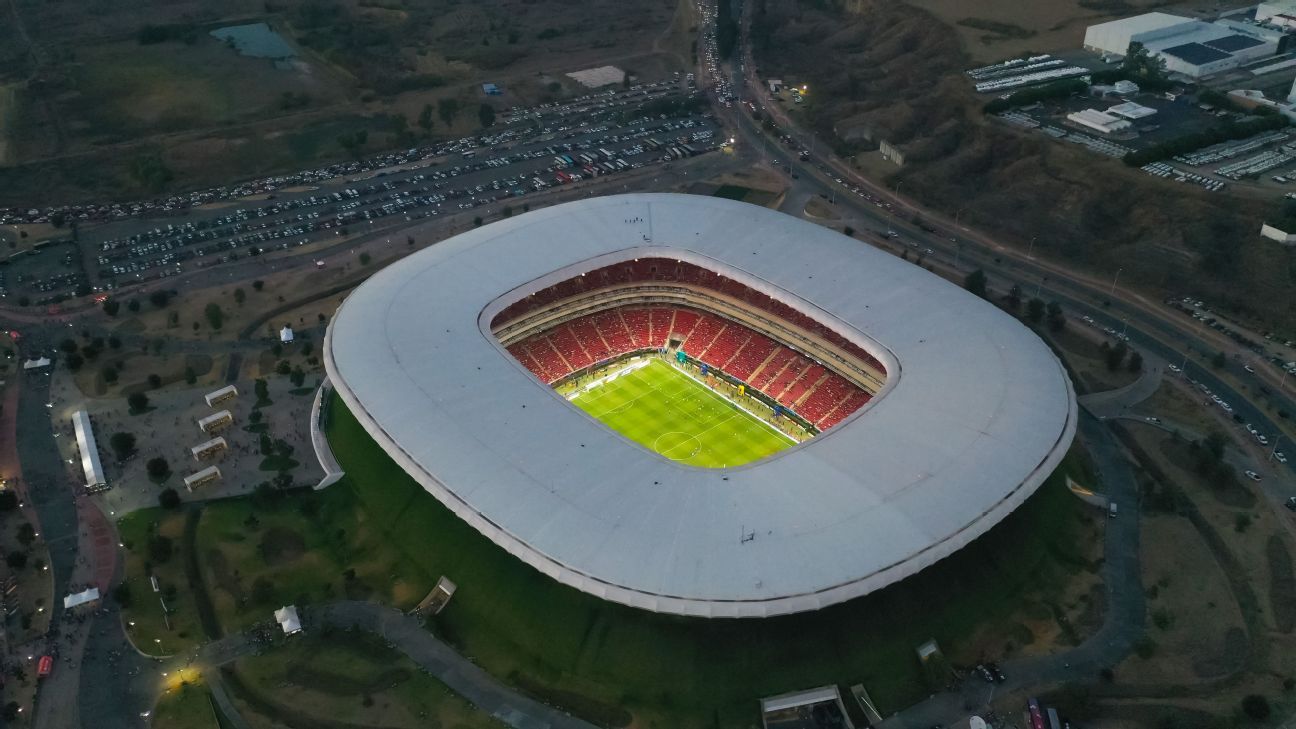

Estadio Olímpico Universitario is home to UNAM's Pumas in Ciudad Universitaria, south of Mexico City. It is one of the most symbolic stadiums in Latin America: host of the 1968 Olympics, the 1986 World Cup, and a UNESCO World Heritage Site as part of UNAM's central campus. Its Diego Rivera mural turns it into a stadium-museum.
History and architecture
Designed by Augusto Pérez Palacios, Raúl Salinas and Jorge Bravo, it opened in 1952, carved into the volcanic rock of the Pedregal. The main façade carries 'La Universidad, la Familia Mexicana, la Paz y la Juventud Deportista', Diego Rivera's only volumetric mural. Current capacity is 72,000. It hosted the 1968 Olympic opening ceremony and 1986 World Cup games.
Iconic moments
Bob Beamon broke the long-jump world record here (8.90 m) in 1968, and Tommie Smith and John Carlos raised the Black Power salute. In football, Pumas have won seven Liga MX titles and reached the 2005 Copa Libertadores final. It has hosted opening ceremonies, concerts by Silvio Rodríguez and Roger Waters, and Mexico national team internationals.
Getting there and matchday tips
Metro Universidad (line 3) or the Metrobús Ciudad Universitaria stop are a 15-minute walk. The free Pumabús circulates inside campus. Driving: CU parking is available but fills up — arrive 90 minutes early for clásicos vs América or Chivas. The area is safe and student-lively.
Where to sit and what to eat
Cabecera Sur is the heart of La Rebel, Pumas' official supporters, with the best atmosphere. Preferente and Palcos offer the best covered all-round view. Inside: quesadillas, tortas, beer and soft drinks; around CU you'll find classic street stalls and student cafés for pre-match. The 'Goya' cheer after every goal is a ritual you can't miss.