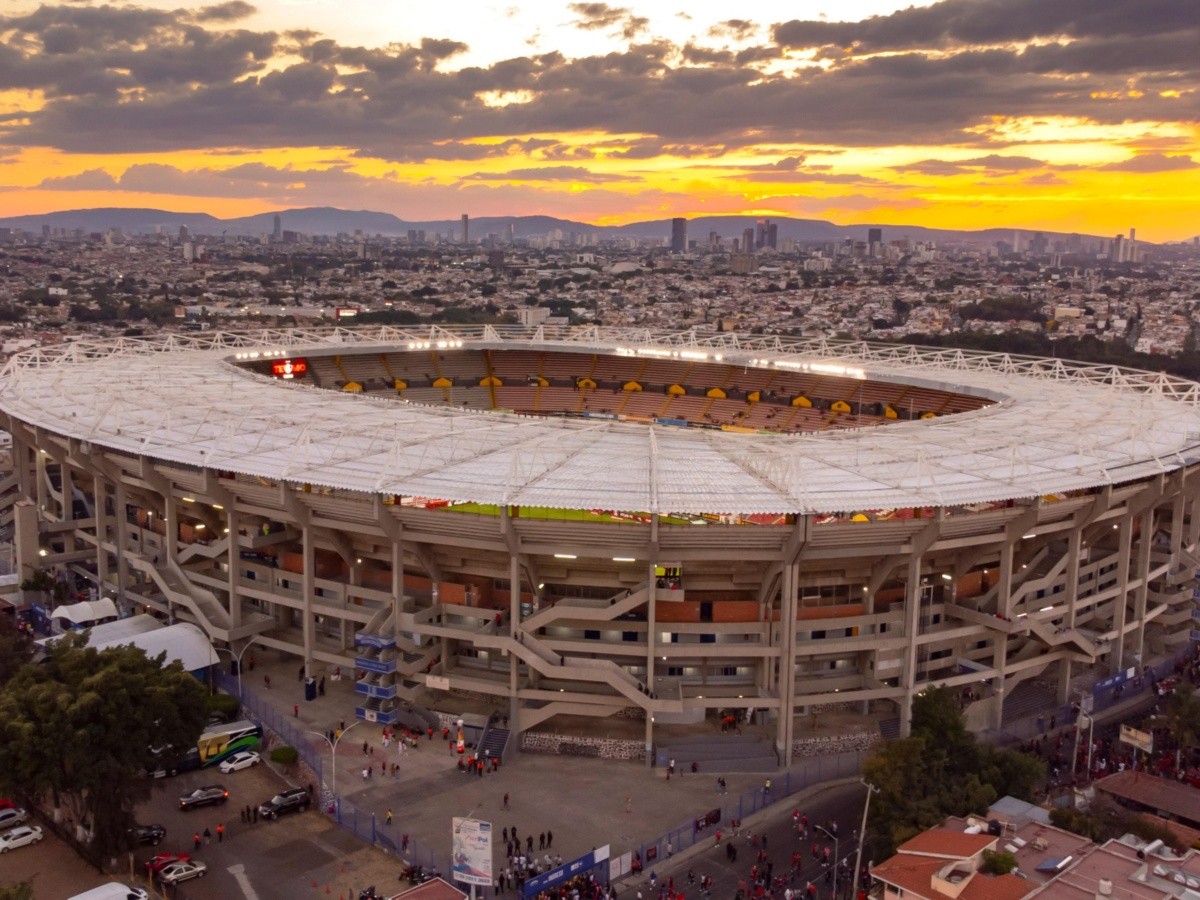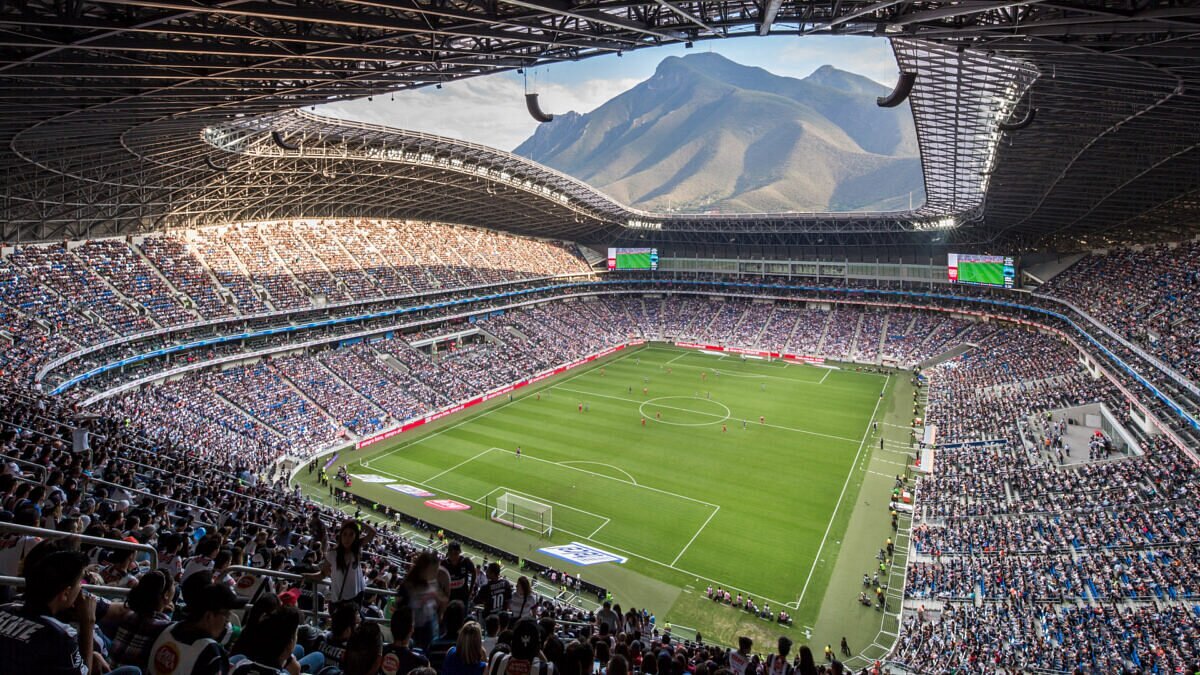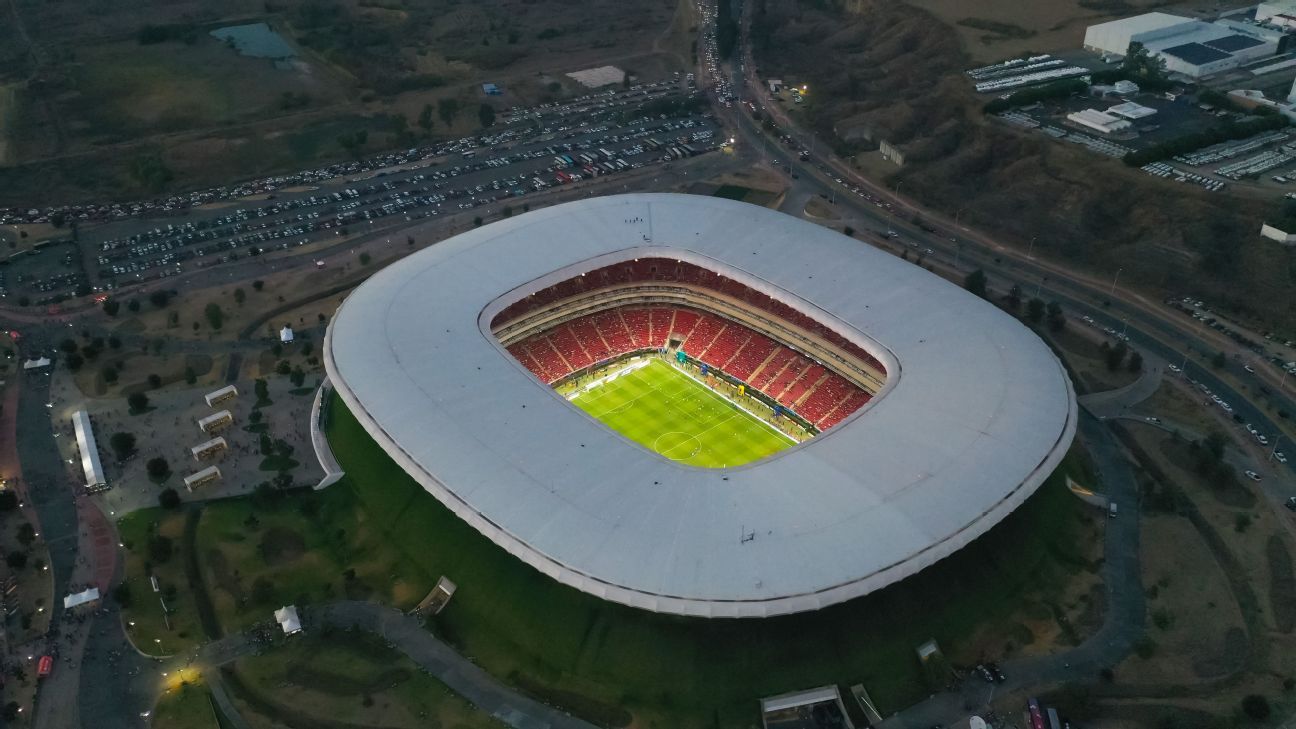
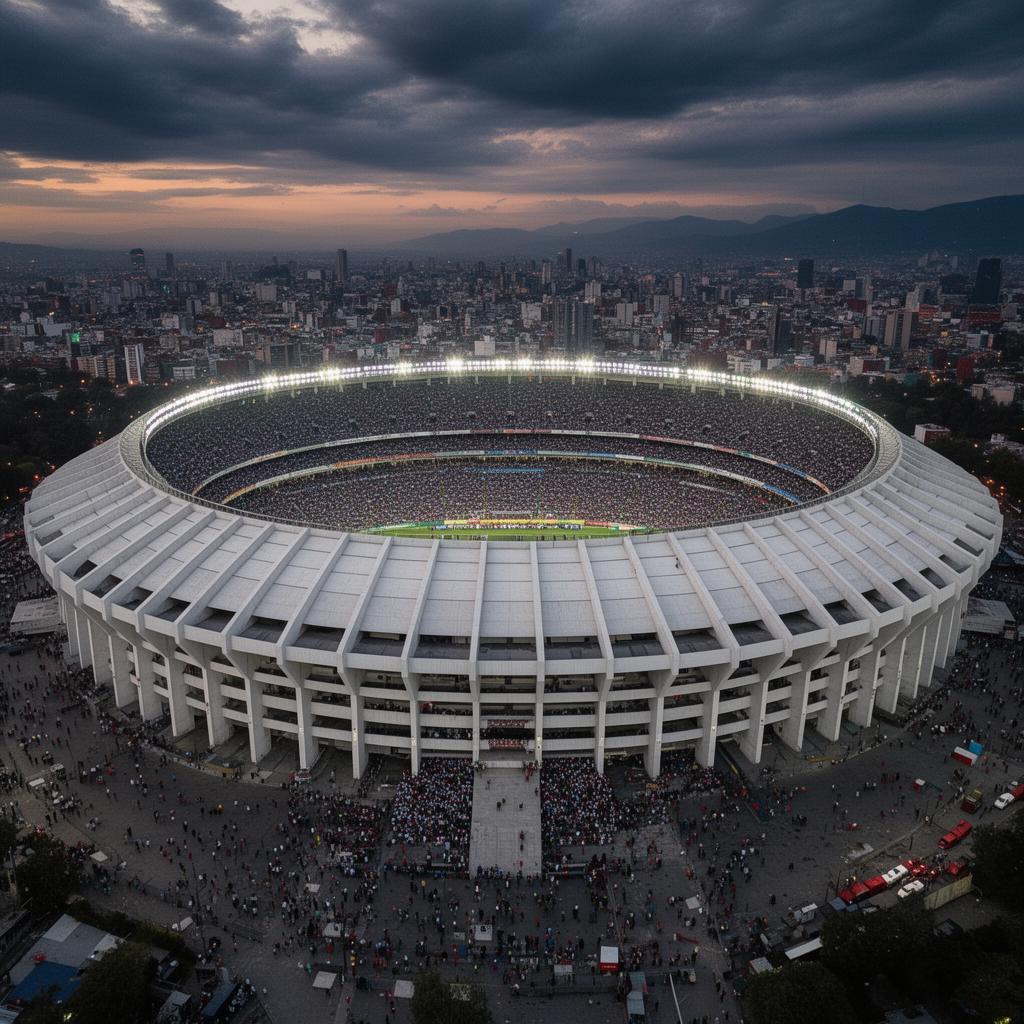
Estadio Azteca — renamed Estadio Ciudad de México during the 2026 World Cup — is the home of Mexican football and one of the most storied venues on the planet. It is the only stadium ever to have hosted two World Cup finals (1970 and 1986), and in 2026 it becomes the first to host a third. With close to 90,000 seats after its ongoing renovation, it remains the most imposing stage in Latin America.
History and architecture
Designed by Pedro Ramírez Vázquez and Rafael Mijares, Azteca opened on 29 May 1966 with América vs Torino. Its hung concrete structure with a cantilever roof covering the entire lower bowl was an engineering landmark. It was refurbished for 1986 and is now going through the deepest overhaul in its history ahead of 2026: new locker rooms, rebuilt hospitality suites, better accessibility and a perimeter service ring.
Iconic moments
Azteca witnessed Pelé's goal and Brazil's title in 1970, and in 1986 Maradona's "Goal of the Century" and "Hand of God" against England. Argentina lifted its second World Cup here; the NFL played its historic altitude game between 49ers and Cardinals in 2005; and Mexico has produced unforgettable qualifiers against the USA. It is also a regular concert venue for Michael Jackson, U2, Madonna and Bad Bunny.
Getting there and matchday tips
Easiest access is the Tren Ligero light-rail, Estadio Azteca station, connecting to Tasqueña at the end of Metro Line 2. Minibuses and RTP also stop nearby. If you drive, allow more than two hours for Calzada de Tlalpan traffic and park in lots A or B. Altitude (2,240 m) matters: hydrate and travel light — bulky backpacks are restricted.
Where to sit and what to eat
For a first visit, lateral Preferente seats are the best pick: covered, well angled and family-friendly. Cabecera Sur holds the América porra, while Palcos and Plateas include waiter service and catering. Food revolves around Mexican classics: tortas de tamal, tacos de canasta, grilled corn, micheladas and beer. Curated food districts are being added for 2026.
.jpg)