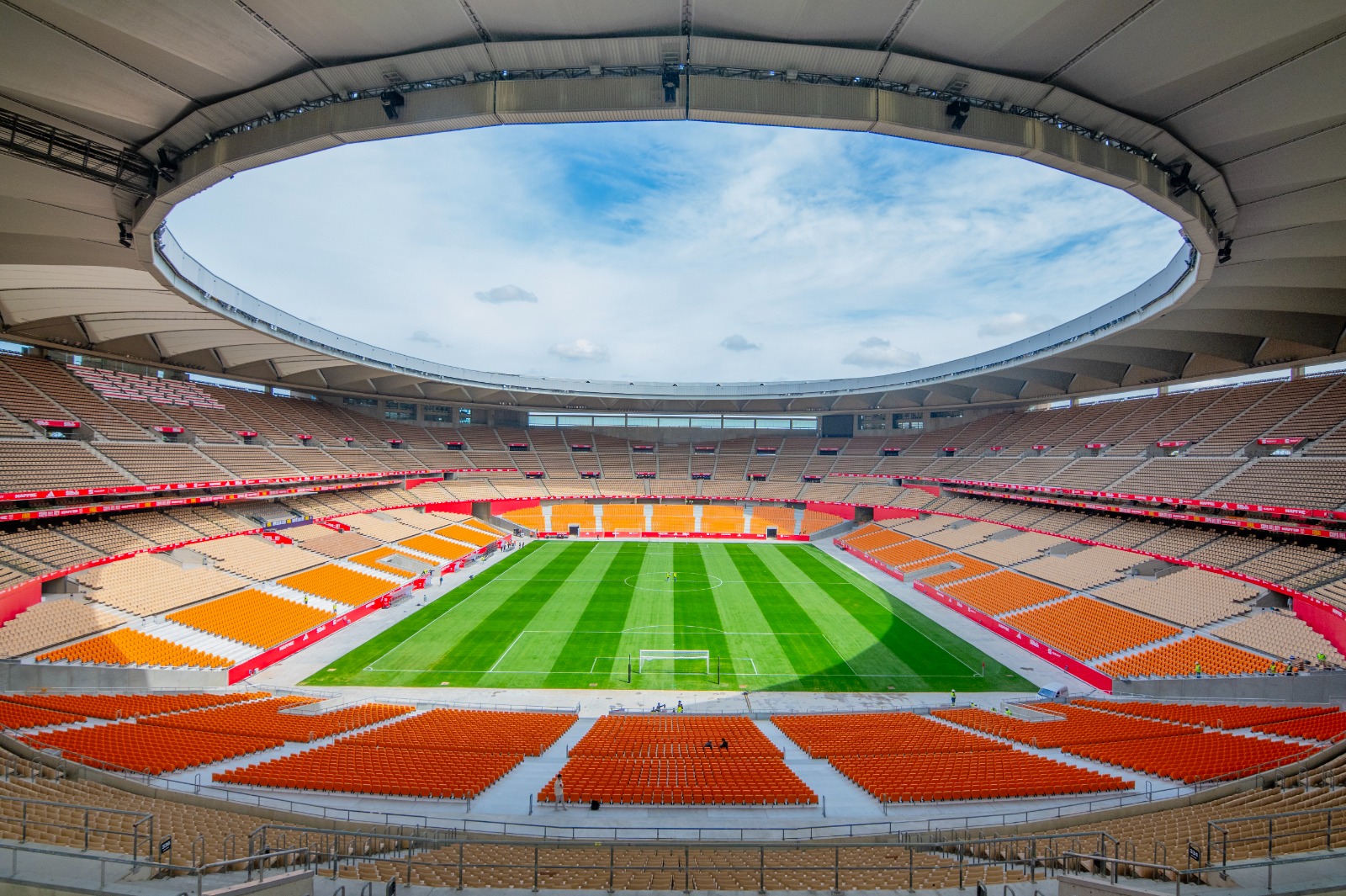
Mestalla is Valencia CF's historic stadium since 1923 and one of LaLiga's steepest and most passionate venues. With 49,430 seats across a sharply inclined bowl, it offers a unique experience: visitors feel every goal as if they were on the pitch. It is also one of Spain's oldest stadiums still in use.
History and architecture
It opened on 20 May 1923 with a match between Valencia CF and Levante UD. Originally designed by Francisco Almenar, it has been through multiple redevelopments: lateral stands raised in the 50s, the Mario Kempes stand added in the 70s after Argentina's 1978 World Cup win, and a 1994 refurbishment for the World Cup. The club is planning to complete the new Nou Mestalla on Avenida de Cortes Valencianas.
Iconic moments
Mestalla saw Valencia CF win two consecutive La Liga titles (2001-02 and 2003-04) under Rafa Benítez, the 2004 UEFA Cup and several Copa del Rey trophies, as well as two consecutive Champions League finals (2000 and 2001). It has hosted the Spanish national team and semifinals of Euro 1964. It also staged the 1982 Copa América final and Bruce Springsteen concerts.
Getting there and matchday tips
Easiest access is Metro lines 3 and 5 (Aragón station), a 5-minute walk. Bus lines 12, 79 and 89 also serve it. Avoid driving: the Mestalla neighbourhood has narrow streets and limited parking. Arrive 45 minutes early; bars on Pizarro, Cirilo Amorós and the stadium's own Cervecería del Ché hold the pre-match with paella and horchata on weekends.
Where to sit and what to eat
Grada Mario Kempes (lower/mid) is closest to the pitch and holds the loudest chants. Preferente lateral offers a good view with the characteristic steep incline. Boxes and hospitality suites include Valencian catering with rice dishes, cold cuts and local wines. Concourse: sandwiches, Amstel beer and vegetarian options.

:format(jpg)/f.elconfidencial.com%2Foriginal%2Faca%2F99a%2Fcd1%2Faca99acd1620d845df0aa236cbf0b7f1.jpg)