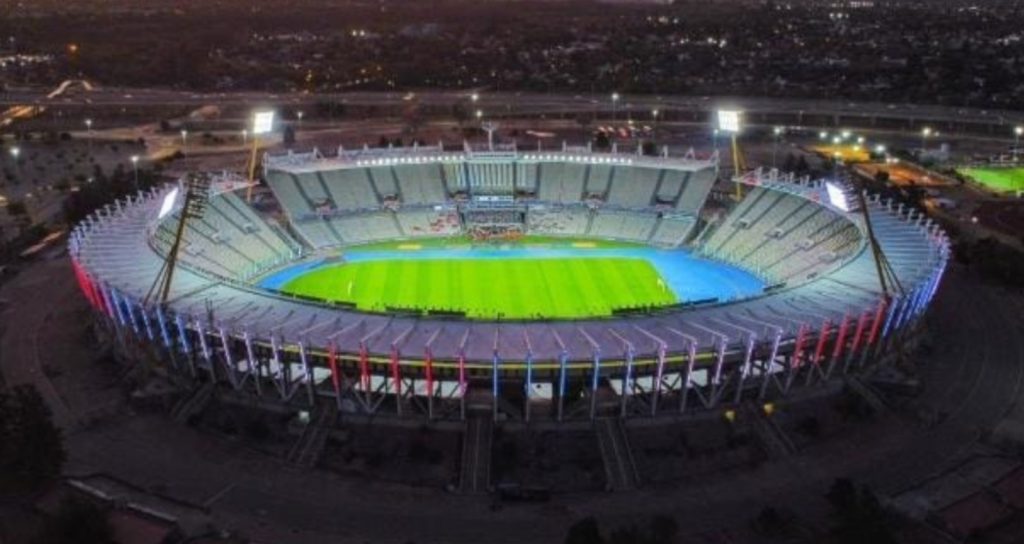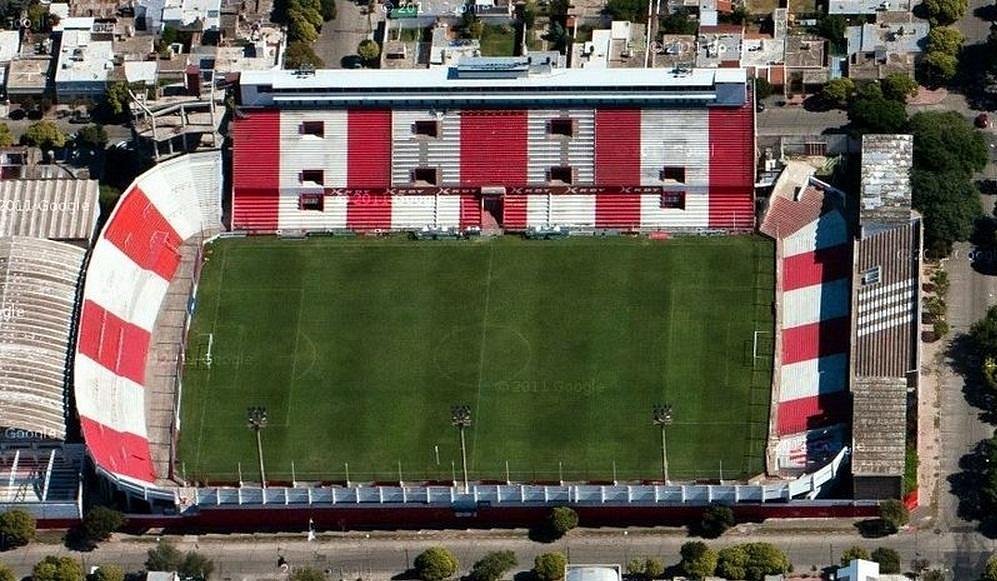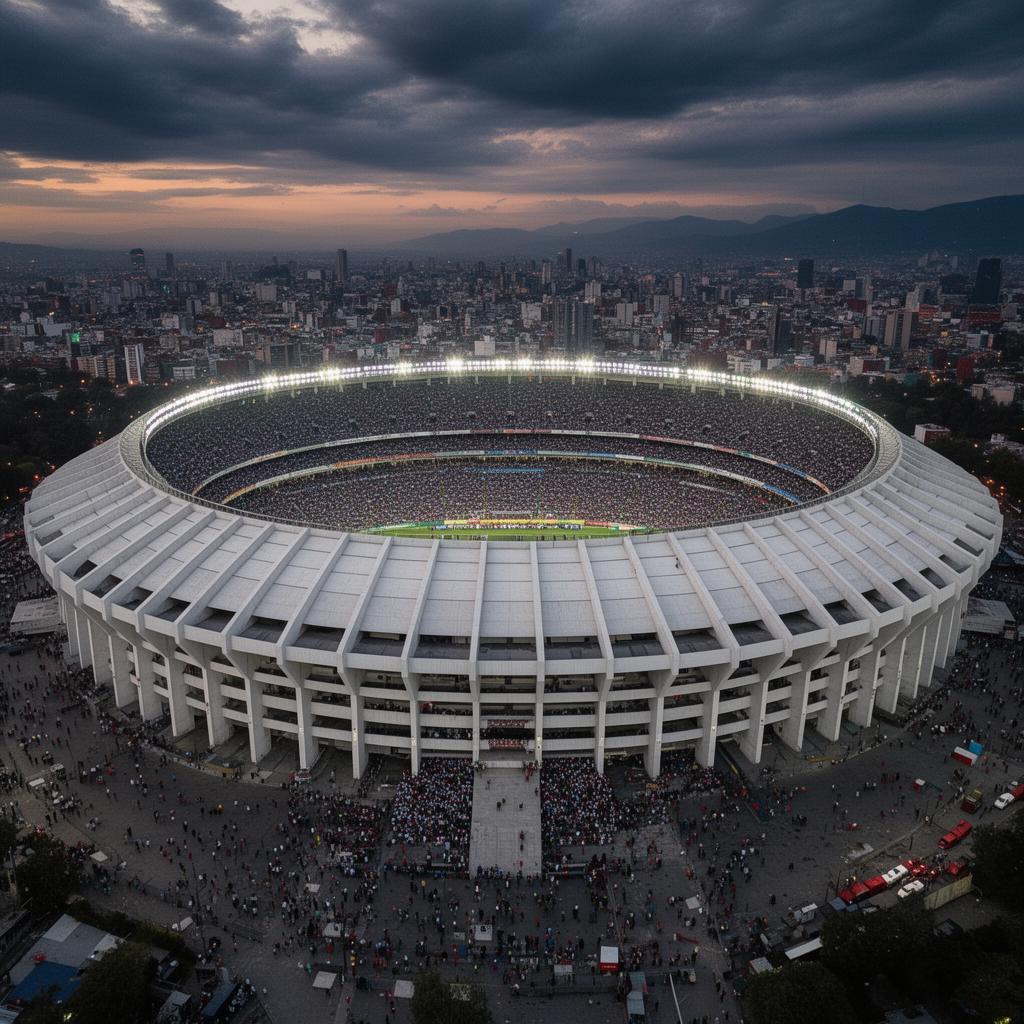

Estadio Más Monumental — officially Antonio Vespucio Liberti — is River Plate's temple in Buenos Aires and the biggest stadium in South America. A recent redevelopment removed the running track, pushed the stands right onto the pitch and lifted capacity past 85,000, cementing it as the permanent home of the Argentina national team and the continent's biggest finals.
History and architecture
Opened on 25 May 1938 in the Núñez neighbourhood, it was the country's most imposing venue for decades. It hosted the 1978 World Cup final — the famous 3-1 win over the Netherlands — and multiple Copa Libertadores finals. The 2022 renovation brought the stands closer to the field, roofed the upper tiers and modernised concourses, boxes and screens, turning it into a matchday experience on par with Europe's biggest arenas.
Iconic moments
Argentina lifted the 1978 World Cup here, Maradona wore the national shirt at the Monumental, and River collected Copas Libertadores, Intercontinentals and league titles. Superclásicos vs Boca Juniors and continental finals — including the historic 2018 Libertadores that ended up being played in Madrid — are part of its lore. The Rolling Stones, Roger Waters and Taylor Swift have all played here.
Getting there and matchday tips
The easiest route is the Mitre train to Belgrano C station (15-minute walk) or bus lines 15, 29, 42, 130 and 152. Driving means using nearby paid parking apps in Belgrano; the area saturates two hours before kickoff. Get there 60–75 minutes early: security checks are strict and the pedestrianised Figueroa Alcorta avenue slows entry.
Where to sit and what to eat
Platea San Martín Baja gives the best all-round view; Sívori Alta holds the loudest home support. VIP boxes include catering, open bar and dedicated entrances. Around the ground you'll find choripanes, empanadas, milanesa sandwiches and draught Quilmes. Book tickets ahead — big games sell out quickly.