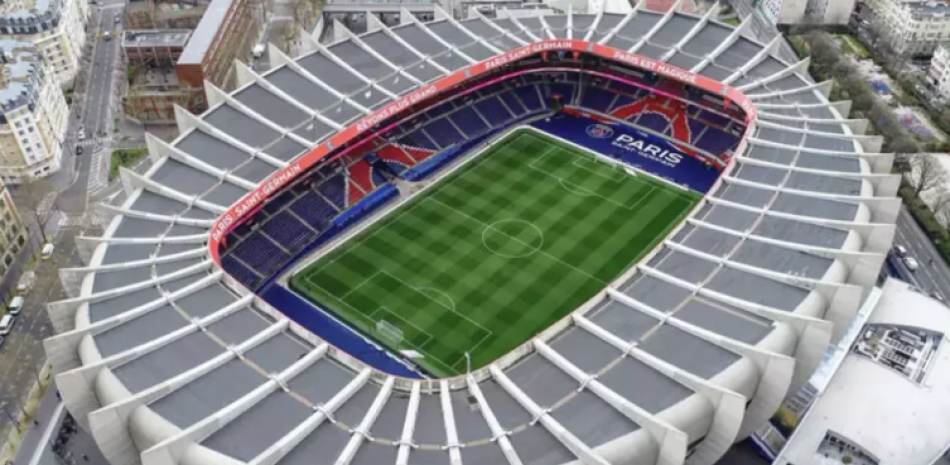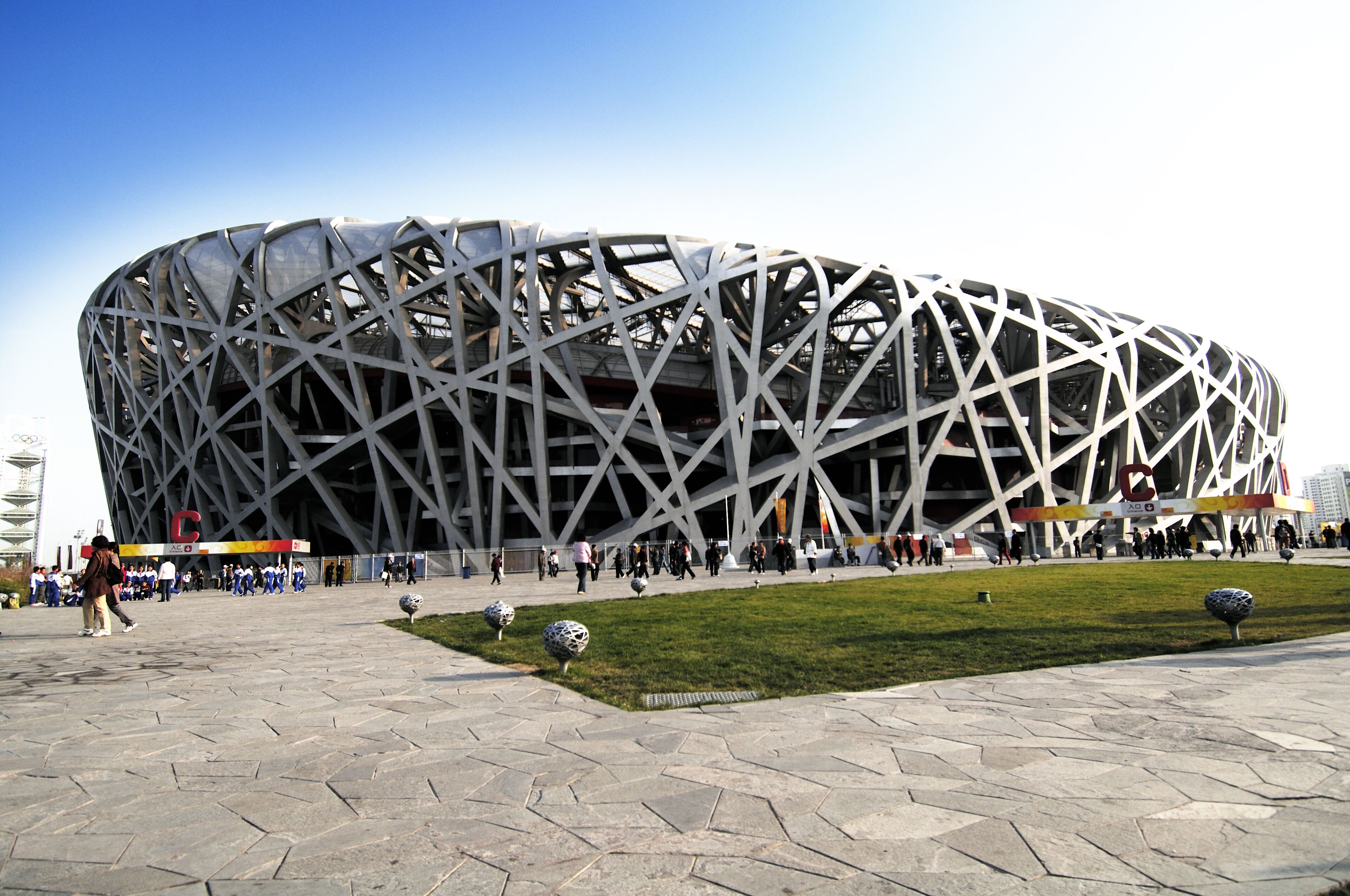

The Stade de France is France's national stadium, located in Saint-Denis on the outskirts of Paris. Opened in 1998 for the World Cup France went on to win, it hosts the football and rugby national teams plus the country's biggest finals and concerts. With 80,000 seats it is France's largest stadium and a headline venue for Paris 2024 and 2026.
History and architecture
Designed by Michel Macary, Aymeric Zublena, Michel Regembal and Claude Costantini, it was built between 1995 and 1998 for the French World Cup. Its 13,000-tonne elliptical roof appears to float over the illuminated perimeter ring. A movable lower tier allows switching between football/rugby and athletics modes. It served as the centrepiece of the Paris 2024 Olympics, with the athletics finals and closing ceremony.
Iconic moments
The Stade de France saw France win the 1998 World Cup (3-0 vs Brazil with two Zidane goals), Euro 2016 (lost to Portugal), the 2000, 2006 and 2022 Champions League finals, and Rugby World Cup semifinals in 2007 and 2023. It also hosted the 2007 Rugby World Cup opening ceremony and concerts by The Rolling Stones, U2, Coldplay and Beyoncé.
Getting there and matchday tips
Easiest access is RER B (La Plaine – Stade de France stop) or RER D (Stade de France – Saint-Denis stop), both a 5-minute walk. Metro line 13 (Saint-Denis – Porte de Paris) also serves the area. Avoid driving: A1 traffic is heavy. Arrive 60–90 minutes early; perimeter security checks can queue.
Where to sit and what to eat
Category 1 lateral between the corners offers the best view. Upper level is more affordable with full panorama. Prestige and Hospitality lounges include chef-signed catering with French wine and champagne. Concourse: jambon-beurre sandwiches, French hot-dogs, Kronenbourg 1664 and vegetarian options.