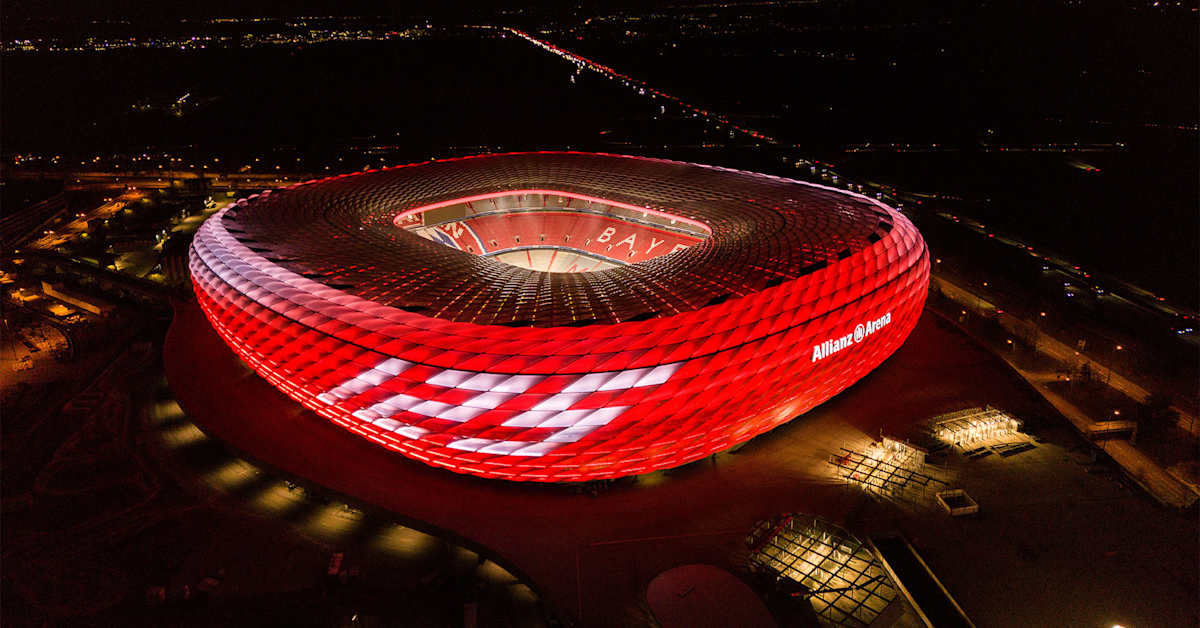

Signal Iduna Park — officially Westfalenstadion — is Borussia Dortmund's home and the birthplace of the "Yellow Wall" (Gelbe Wand), Europe's largest and loudest standing terrace. With 81,365 spectators in Bundesliga configuration, it is Germany's biggest stadium and a must-visit for any football fan.
History and architecture
It opened in 1974 for the West German World Cup. Expansions in the 90s and 2000s turned it into a closed bowl with filled corners, pushing capacity above 80,000. The Südtribüne — the Yellow Wall — holds 24,454 standing fans and is the largest terrace of its kind in Europe. It has carried the Signal Iduna insurance naming rights since 2005.
Iconic moments
It has hosted the 2001 UEFA Cup final (Liverpool vs Alavés), 2006 World Cup semifinals, the 1997 Champions League final and Euro 2024 games. In the Bundesliga it saw Dortmund's Klopp-era titles (2011, 2012), Tuchel's BVB and the club's most memorable European nights. It has also staged concerts by U2, Metallica and Ed Sheeran.
Getting there and matchday tips
Easiest access is S-Bahn line S1 (Signal Iduna Park stop) or U-Bahn U45 from the centre. Deutsche Bahn adds services on matchdays. Avoid driving: parking is limited and roads close. Arrive 60 minutes early; the Alte Försterei next to the stadium and the Strobelallee pubs concentrate the pre-match with currywurst and Bier.
Where to sit and what to eat
Südtribüne (Yellow Wall) is the ultimate standing experience — buy tickets well in advance. Nordtribüne is the seated counterpart. Osttribüne and Westtribüne offer balanced lateral views. Concourse: bratwurst, currywurst, Krombacher Pils on draught, pretzels and a growing vegetarian selection.